

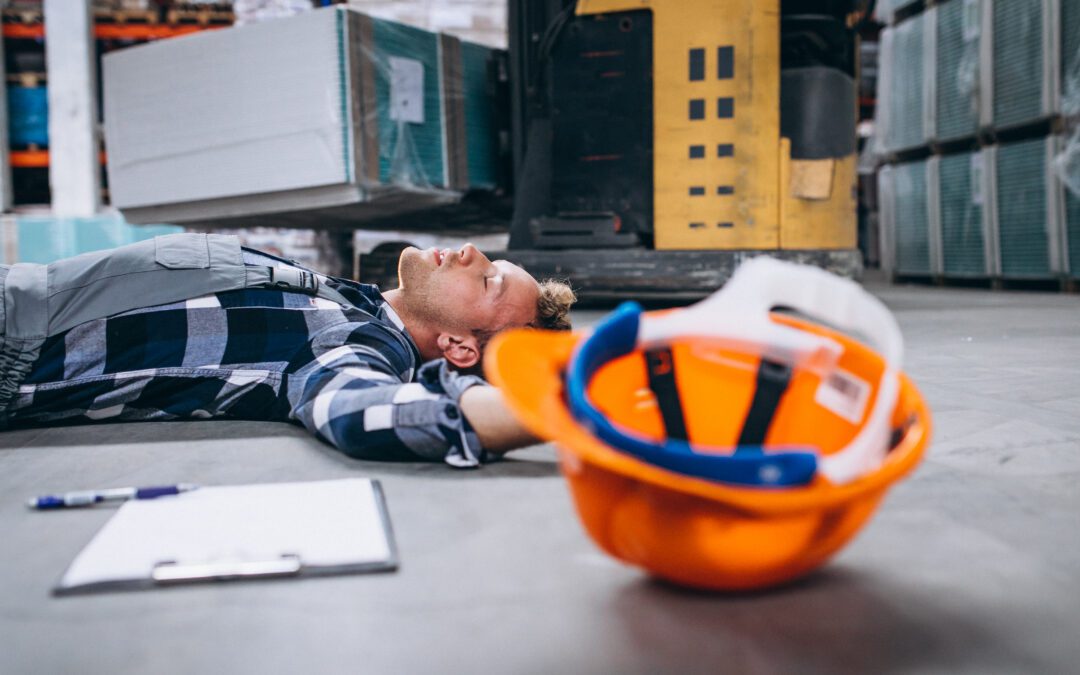
Slips, trips, and falls are among the most common workplace injuries in Pennsylvania. They can lead to serious harm, including spinal injuries, traumatic brain injuries, fractures, and long-term disability.
According to the U.S. Department of Labor, falls remain one of the leading causes of workplace injury and lost workdays nationwide.
For employers, prevention matters. For injured workers, understanding your legal rights matters just as much.
Why Do Workplace Slips and Falls Happen?
Most workplace slip and trip incidents involve preventable hazards, including:
• Wet or greasy floors
• Ice or snow at entrances
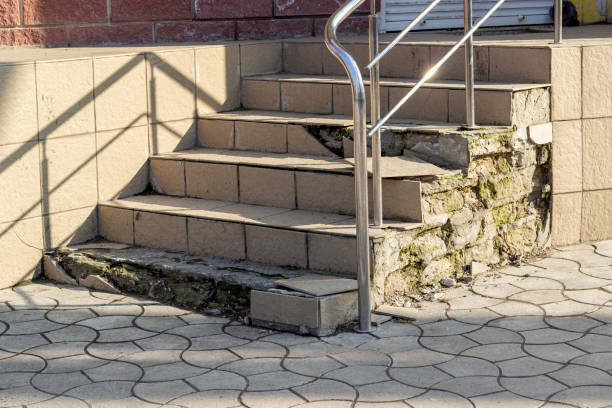
• Uneven walking surfaces
• Loose mats or flooring
• Poor lighting
• Cords or clutter in walkways
• Damaged stairs or missing handrails
• Slippery dock plates or metal surfaces
Many of these conditions violate basic safety standards or internal workplace policies.
How Employers Can Reduce Slip and Fall Risks
While no workplace can eliminate all hazards, employers can reduce risk by:
1. Maintaining Proper Housekeeping
Routine cleaning and hazard removal reduce preventable injuries. Clear aisles and dry surfaces matter.
2. Controlling Wet or Slippery Surfaces
Use absorbent mats, treat ice and snow promptly, and clean spills immediately.
3. Keeping Walkways Clear
Avoid cords across aisles. Remove clutter. Close drawers.
4. Providing Adequate Lighting
Poor visibility increases trip hazards, especially on stairs and loading docks.
5. Enforcing Proper Footwear Policies
Slip-resistant footwear reduces risk in industrial or food-service settings.
6. Training Employees on Safety Practices
Rushing, distractions, and shortcuts increase injury risk. Clear safety protocols reduce exposure.
What Happens If You Are Injured in a Workplace Fall?
If you suffer a slip or trip injury at work in Pennsylvania, you may be entitled to workers’ compensation benefits, including:
• Medical treatment
• Wage loss benefits
• Specific loss benefits
• Disability compensation
Workers’ compensation typically does not require proof of employer negligence.
However, some workplace falls involve third-party liability.
When Does a Third-Party Claim Apply?
In addition to workers’ compensation, you may have a separate personal injury claim if someone other than your employer contributed to the hazard.
Examples include:
• A property owner who failed to maintain safe premises
• A contractor who created a dangerous condition
• A maintenance company responsible for cleaning
• A product manufacturer if defective flooring or equipment caused the fall
Third-party claims may allow recovery for pain and suffering, which workers’ compensation does not provide.
Early investigation helps preserve evidence before conditions change.
Why Legal Review Matters
Not every slip and fall leads to litigation. However, when injuries are serious, disputed, or involve multiple parties, early legal guidance can protect your rights.
Workplace slip and fall cases often turn on:
• Hazard documentation
• Incident reports
• OSHA standards
• Witness statements
• Maintenance logs
• Surveillance footage
Delays can affect evidence preservation.
Speak With a Pennsylvania Workplace Injury Attorney
If you were injured in a workplace slip, trip, or fall, you may have options beyond what your employer’s insurance company tells you.
Freundlich & Littman represents injured workers in Pennsylvania and evaluates both workers’ compensation and potential third-party claims.
Call (215) 545-8500 to schedule a free consultation.
We found this great article about ways to prevent slips and falls at Reliable Plant!
http://www.reliableplant.com/Read/27549/Prevent-slips-trips-falls
About W.W. Grainger
W.W. Grainger Inc. with 2009 sales of $6.2 billion is the leading broad line supplier of maintenance, repair and operating (MRO) products serving businesses and institutions in the United States, Canada, and Mexico with an expanding presence in Japan, India, China and Panama.