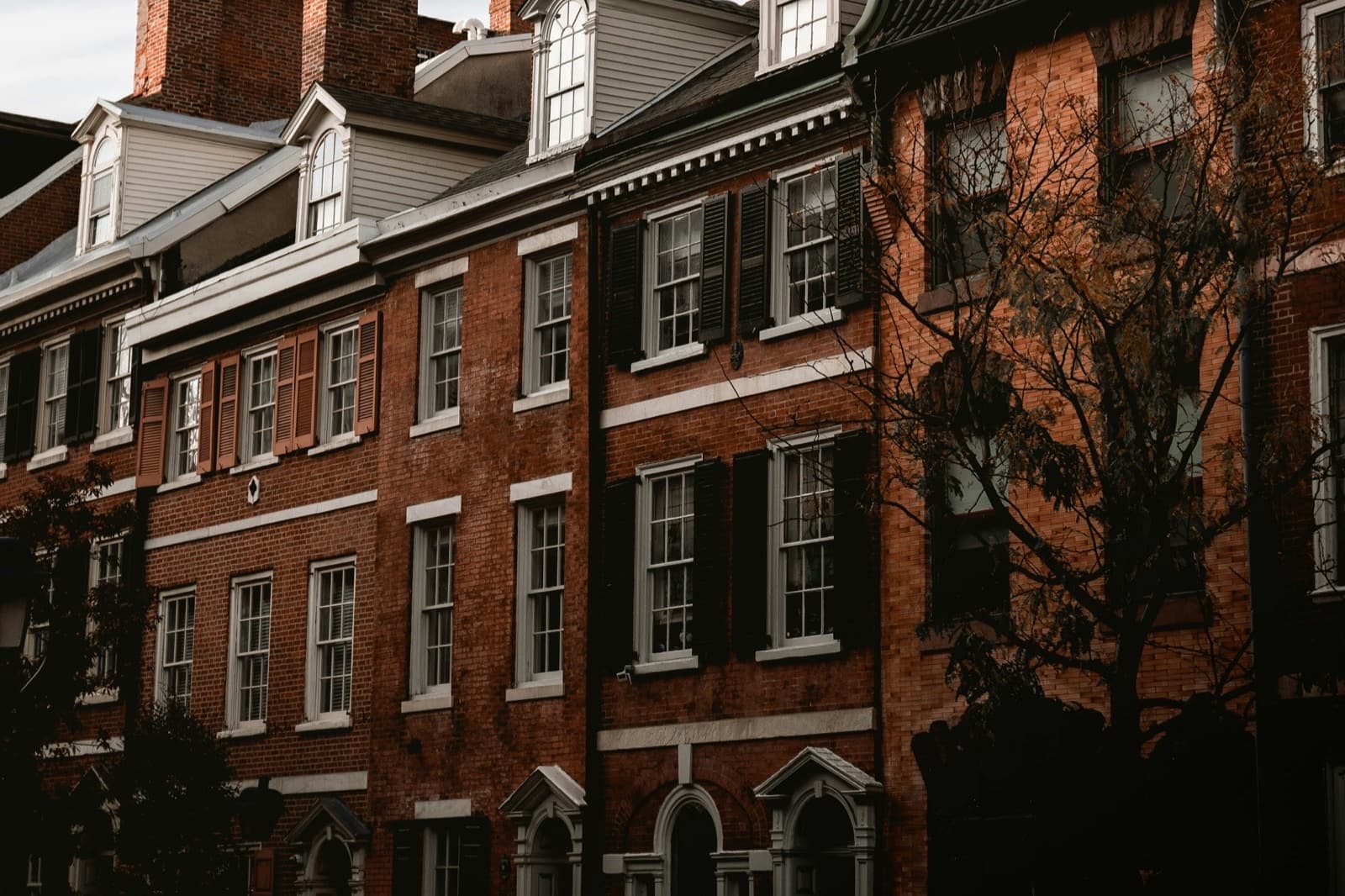




Neighboring construction in Philadelphia regularly damages rowhomes and shared structures: cracked walls, foundation movement, water intrusion. Those disputes involve neighbors and contractors, and they usually pull a homeowners insurance claim in behind them. When the insurer delays, underpays, or denies coverage for construction-related damage, legal guidance may be needed to protect what the policy actually owes you. If your rowhome has been damaged by neighboring construction and you are facing an insurance dispute, our attorneys offer free consultations. Use the form on this page or the number in the site header to reach us.
Lead attorney on every case we take, backed by a dedicated legal team you work with directly.
As a property owner in the Philadelphia area, you have a right to the quiet and peaceful enjoyment of your property. Nuisance laws limit how much noise is permitted and when disruptive activity can occur, and they cover more than noise. City backyards sit close together, and a compost pile that grows too large can take away your ability to use your own yard, sometimes reaching into the house. Some neighbors ignore the rules and some are oversensitive to any sound at all. Either way, there is a legal path.
Encroachment usually comes from trees and shrubs. Invasive roots can reach a neighboring foundation and crack it, and that is a problem better addressed before the damage is done. Overhanging limbs sit on wires and drop branches that take your power out every storm. Boundaries are the other recurring fight. A surveyor is the best starting point, though surveyors do make mistakes, and government records may show a truer line. Even a clear discrepancy may not settle it, because adverse possession can transfer ownership where someone has used the property openly, exclusively, and without permission for the statutory period. That law is complex. If you think you may be in an adverse possession situation, contact us immediately.
Rowhome Construction Damage & Insurance Disputes
In Philadelphia, neighboring construction frequently causes damage to rowhomes and shared structures, including cracked walls, foundation movement, and water intrusion. While these disputes may involve neighbors or contractors, they often also lead to homeowners insurance claims. When insurers delay, underpay, or deny coverage for construction-related damage, legal guidance may be necessary to protect a homeowner’s rights.
If your rowhome has been damaged by neighboring construction and you are facing an insurance dispute, the attorneys at Freundlich & Littman, LLC offer free consultations.
Call 215-545-8500 or complete our free consultation for m on the Contact page to discuss your options.
Nuisance Law
Nuisance laws do not just protect from noise. It could also be a smell causing the nuisance. Backyards in the city are often close together. Composting is a great way to provide natural fertilizer for plants. The main downside is the smell. If your neighbor’s compost pile is too big or smelly, you might lose the ability to enjoy your backyard. The smell might even permeate your house.
Nuisance laws exist to keep the peace among neighbors. The does not mean neighbors like to follow the laws. Likewise, some neighbors are too sensitive to the slightest noise. Whatever the reason, you have legal recourse. We can help you solve your neighboring property dispute.
Encroachment
Most often, the source of encroachment is trees and shrubs. Some types of trees have invasive roots. If the tree grows too wild, the roots interfere with neighboring properties.
Roots can grow so invasive that they affect the foundation of a neighboring property. Before the roots of a neighbor’s tree put a crack in your foundation, you need to get the roots taken care of.
Even if the roots are fine, the tree could hang over wires. Every time there is a storm, a branch falls off and knocks your power out for days. The neighbor’s apple tree drops apples into your yard each season. It draws in squirrels that destroy your prized plants.
All these encroachments interfere with your property rights.
Neighboring Property Boundaries
The last big area of contention amongst neighbors is property boundaries. The best way to know your property limits is to consult a surveyor. These measures are not without fault. You could rely on a surveyor, but they sometimes make mistakes. If there is a dispute over property, there are several ways to figure out a discrepancy. First, you can check with government records. Their records may reflect a more accurate detail of true property boundaries. If you find a discrepancy in the boundaries, it may not matter. In property law, there is a concept called, “adverse possession.” If another person used a piece of your property, they may own the property. The use of the property must meet statutory requirements. The non-owner must exclusively use the property for a statutory time requirement. The use must be open and without permission. The law on adverse possession is complex. If you think you might be in adverse possession situation, contact us immediately.
