


Freundlich & Littman, LLC

Property Damage Claims Lawyers

Storm, fire, water, or construction damage is rarely the real dispute. The dispute is how much your insurer will pay, or whether it will pay at all.

4.9 out of 5 · 145+ reviews
  • Free, confidential case review
  • No cost, no obligation
  • A lead attorney and dedicated legal team
Avvo Rating 10.0 SuperbThe National Trial Lawyers, Top 100Super Lawyers, Austin Ross Freundlich100 Million Dollar Advocates Forum

It's Easy to Get Started

Get a free case review.

By submitting you agree to be contacted by Freundlich & Littman, LLC. Submitting this form does not create an attorney-client relationship. Attorney advertising.

Prefer to talk now? (215) 545-8500

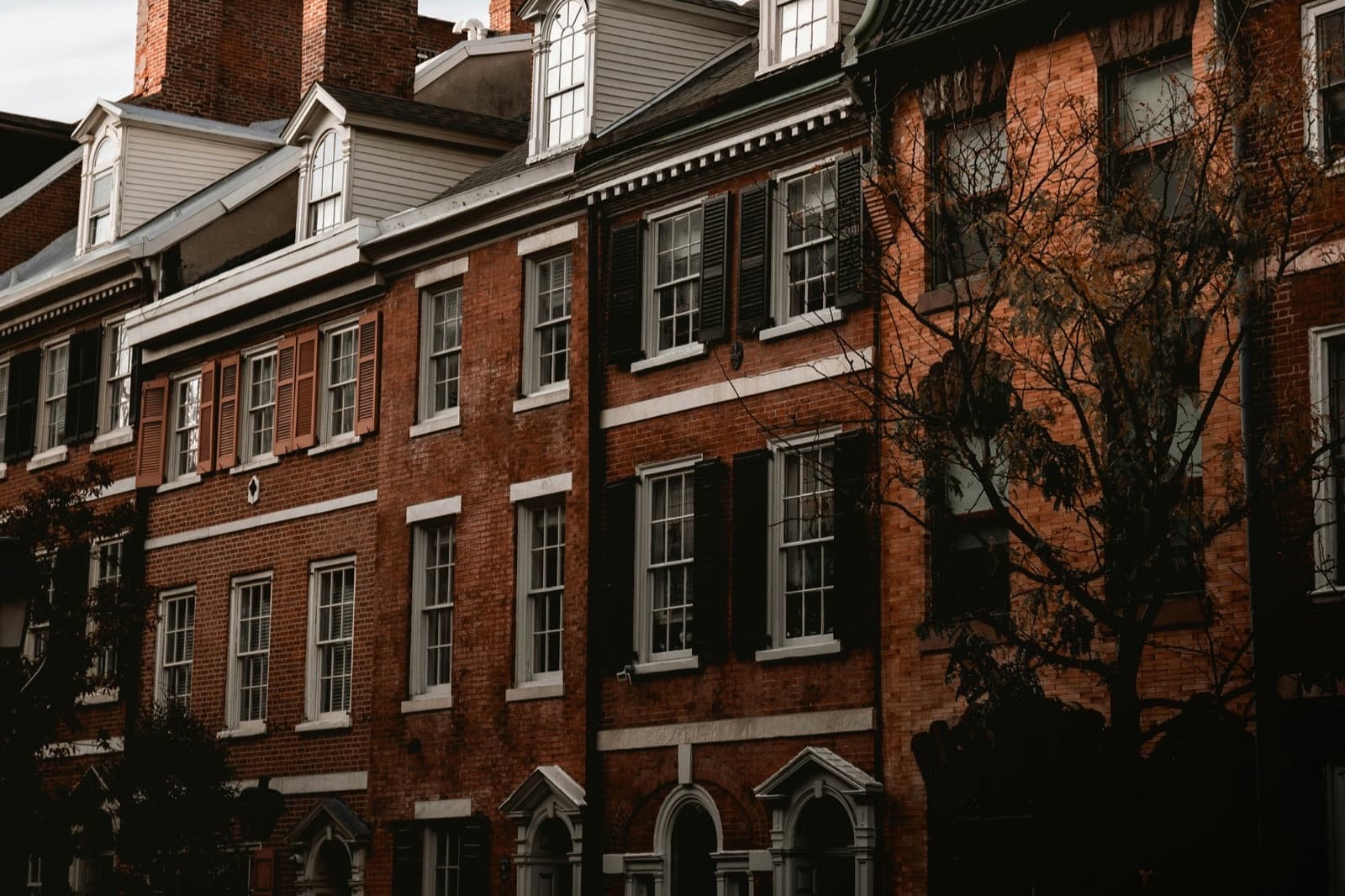
Rowhome Property Damage

Property damage claims in Pennsylvania and New Jersey arise from storms, fires, water intrusion, construction activity, vandalism, and other events that cause structural or financial loss. In most files, nobody disputes that damage occurred. What is disputed is the amount the insurance company will pay and whether coverage applies at all. These matters take several forms: insurance coverage disputes, bad faith claims, civil suits against negligent contractors or property owners, and commercial property and business interruption losses. Early legal review helps preserve documentation, clarify what the policy obligates the insurer to do, and identify claims available under state-specific law.

1

Lead attorney on every case we take, backed by a dedicated legal team you work with directly.

What you do first affects what you can recover. Document the damage with photographs and video, preserve damaged materials where possible, notify your carrier promptly, review the policy before signing any release or accepting payment, and keep written records of every communication. Policies contain notice requirements and contractual deadlines of their own, separate from the statute of limitations, and state law shapes the remedies on top of that.

Disputes usually center on coverage denials, underpayment of repair or replacement cost, disagreement about the cause of the damage, delays in handling, and the gap between replacement cost and actual cash value. In Pennsylvania, policyholders may pursue bad faith claims under 42 Pa.C.S. section 8371 where an insurer acts unreasonably in denying or delaying payment. New Jersey recognizes insurer bad faith under established common law. Courts often look at whether the insurer conducted a reasonable investigation before limiting coverage. Not every denial is bad faith, but when a carrier disregards clear policy obligations, remedies may be available. Submit our online form for a free consultation. This page is general information, not legal advice.

Philadelphia Property Damage Lawyers Serving Pennsylvania & New Jersey

Freundlich & Littman represents homeowners, property owners, and businesses in Philadelphia and throughout Pennsylvania and New Jersey in complex property damage and insurance-related disputes.

There is no fixed “average” settlement. Outcomes depend on:

The extent and documentation of damage

The language of the insurance policy

Available coverage limits

The clarity of liability

Business interruption losses, when applicable

Property damage matters may involve:

Insurance coverage disputes

Insurance bad faith claims

Civil lawsuits against negligent contractors or property owners

Commercial property and business interruption losses

Early legal review can help preserve documentation, clarify policy obligations, and evaluate whether additional claims may be available under state-specific laws.

Insurance disputes frequently arise over:

Coverage denials

Underpayment of repair or replacement costs

Disagreements over the cause of damage

Delays in claim handling

Disputes between replacement cost and actual cash value

In Pennsylvania, policyholders may pursue bad faith claims under 42 Pa.C.S. § 8371 when an insurer acts unreasonably in denying or delaying payment.

New Jersey recognizes insurer bad faith under established common law standards.

In some cases, courts examine whether an insurer conducted a reasonable investigation before denying or limiting coverage.

Not every denial constitutes bad faith, but when an insurer disregards clear policy obligations or fails to reasonably evaluate a claim, legal remedies may be available.

Property damage matters are often handled on a contingency fee basis when appropriate. Legal fees are paid only if compensation is recovered through settlement or judgment.

Fee arrangements depend on the type of claim, whether litigation is required, and whether the matter involves insurance coverage, bad faith, or third-party liability.

During an initial consultation, we explain how the fee structure applies to your situation.

Complex claims may require engineering evaluations, contractor estimates, financial documentation, and expert analysis to determine appropriate valuation.

Frequently Asked

Property Damage Claims Lawyers: Frequently Asked Questions

What is the statute of limitations for a property damage claim?

It depends on the state and the legal theory. Pennsylvania negligence-based property damage claims are generally two years under 42 Pa.C.S. section 5524. New Jersey is typically six years under N.J.S.A. 2A:14-1.

Can my policy shorten the deadline to sue?

Yes. Insurance policies often contain contractual limitation provisions that give you less time to file suit than the statute would. That is one reason the policy needs to be read early rather than after a denial has sat for months.

What should I do right after property damage occurs?

Document the damage with photographs and video, preserve damaged materials when you can, notify your carrier promptly, review the policy before signing releases or accepting payment, and keep written records of everything. Those steps affect both coverage and recovery.

What if the insurance company denies or underpays my claim?

Disputes commonly involve coverage denials, underpayment of repair costs, disagreement about causation, delays, and replacement cost versus actual cash value. Where an insurer failed to reasonably investigate or disregarded clear policy obligations, bad faith remedies may be available under the applicable state's law.

Can I sue the person or company that caused the damage?

In addition to an insurance claim, a civil suit may be available against a contractor whose work damaged adjacent property, a neighboring owner responsible for structural harm, a commercial entity responsible for fire or water damage, or a party responsible for construction defects. Limitations periods differ by state and theory.

How much does a property damage lawyer cost?

These matters are often handled on a contingency fee basis where appropriate, meaning fees are paid only if compensation is recovered through settlement or judgment. The arrangement depends on the claim type and whether litigation, coverage, bad faith, or third-party liability is involved.

What is the average settlement for a property damage claim?

There is no fixed average. Outcomes depend on the extent and documentation of the damage, the policy language, available coverage limits, how clear liability is, and any business interruption losses. Complex claims may require engineering evaluations, contractor estimates, and expert analysis to value properly.

What Types of Property Damage Claims Are Common in Pennsylvania and New Jersey?

Property damage claims in the tri-state region commonly involve: • Storm and wind damage • Fire and smoke damage • Water damage and burst or frozen pipes • Construction-related property damage • Vandalism or structural damage • Commercial property and business interruption losses While the types of damage may be similar across states, insurance regulations and legal remedies differ. Coverage disputes, appraisal rights, and bad faith standards vary depending on whether the property is located in Pennsylvania or New Jersey. For more information about specific claim types, visit our pages on storm damage claims, fire damage claims, water damage disputes, and construction-related property damage.

Can I Sue Someone Who Caused Damage to My Property?

In addition to insurance claims, property damage may support a civil lawsuit when another person or company caused the damage. • Contractors whose work damaged adjacent property • Neighboring property owners responsible for structural harm • Commercial entities responsible for fire or water damage • Construction defects resulting in property loss Statutes of limitations differ by state and legal theory.

Why Choose Freundlich & Littman for Property Damage Claims?

Property damage disputes often involve technical policy language, valuation disagreements, and layered insurance issues. In cases involving construction-related damage or third-party negligence, identifying all responsible parties may require detailed investigation. Freundlich & Littman represents property owners in Pennsylvania and New Jersey in property damage and insurance-related disputes. We evaluate coverage, investigate liability, and pursue appropriate recovery through negotiation or litigation when necessary. If your residential or commercial property has sustained significant damage, we can review your situation and explain your legal options. Call (215) 545-8500 or submit our online form to schedule a free consultation. The information provided on this page is for general informational purposes only and does not constitute legal advice.

Ready to talk to an attorney about your rowhome property damage matter?

Get a free, confidential case review, no cost, no obligation.

Call (215) 545-8500
Website by WorkspaceCMS.ai