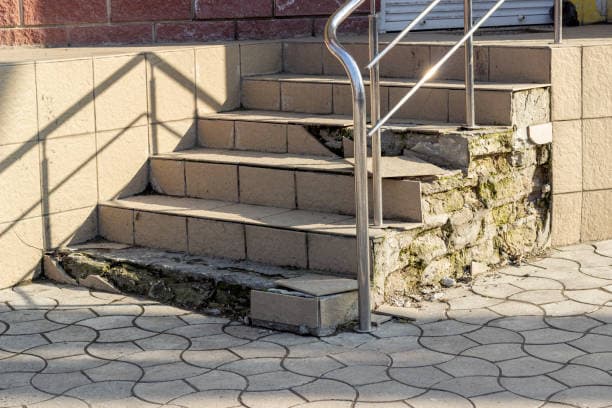
Every year, thousands of Americans are seriously injured when railings, the very structures designed to keep them safe, suddenly give way. Whether it’s a rotted porch railing on a rental property, a loose staircase banister in a commercial building, or a corroded guardrail on a public walkway, these failures are rarely accidents. In most cases, they are the direct result of negligence, and the victims have legal rights.
At our firm, we have represented clients who suffered devastating injuries from railing failures that could and should have been prevented. This post explains what railing failures are, who may be held responsible, and what you should do if you or a loved one has been injured.
What Constitutes a Railing Failure?
Railing failures occur when handrails, guardrails, or balcony railings collapse, break, or give way under ordinary use. These structures are required by building codes to withstand a certain amount of force, and when they don’t, the consequences can be catastrophic. Common types of railing failures include:
- Collapsed balcony railings that send victims falling from dangerous heights
- Broken staircase banisters that fail when a person reaches for support
- Corroded or rusted metal railings on exterior walkways and fire escapes
- Improperly spaced railings that allow children to fall through or become entrapped
- Poorly anchored railings that were never installed to code
- Wooden railings that have rotted due to weather exposure and lack of maintenance
The Injuries Are Often Severe
Unlike a simple trip-and-fall, railing failures frequently involve significant drops or sudden, violent impacts. The resulting injuries tend to be serious and long-lasting. Common injuries from railing failures include:
- Traumatic brain injuries
- Skull fractures
- Spinal cord injuries and vertebral fractures
- Broken bones, including legs, arms, ribs, and pelvis
- Soft tissue injuries and ligament tears
- Serious contusions and internal injuries
- Wrongful death in the most severe cases
If you or someone nearby has just experienced a railing collapse, call 911 immediately. If there is any possibility of a head or spinal injury, do not attempt to move the injured person until emergency medical professionals arrive, as movement can worsen these injuries significantly. Once you have received a full medical evaluation and begun treatment, you should turn your attention to your legal rights. For many victims, full recovery is not possible, and the path forward may involve months or years of surgery, rehabilitation, and lost income.
Who Is Responsible for a Railing Failure?
Under premises liability law, property owners have a legal duty to maintain their property in a reasonably safe condition. When a railing fails due to poor maintenance, improper installation, or a known defect that was ignored, the property owner may be held liable for the resulting injuries. Depending on the circumstances, responsibility may also extend to:
- Property management companies responsible for routine inspections and upkeep
- Contractors or builders who installed the railing below code or with defective materials
- Manufacturers of defective railing components or hardware
- Landlords who failed to respond to tenant complaints about unsafe railings
- Property owners who failed to warn guests of weight or occupancy limits on balconies and decks, leading to dangerous overloading
- Government entities responsible for public infrastructure such as sidewalks, bridges, or park facilities
Establishing liability requires a thorough investigation, including examining the railing itself, reviewing maintenance records, consulting building code experts, and in many cases, retaining engineering professionals who can testify as to exactly why the failure occurred.
What Building Codes Say About Railings
The International Building Code (IBC), Section 1015 , sets detailed standards for guards and railings. Understanding these requirements is important because a violation can serve as powerful evidence of negligence in a personal injury claim.
It is important to note that local jurisdictions, including the City of Philadelphia and surrounding Pennsylvania municipalities, may adopt amended versions of the IBC or maintain their own separate codes. The specific standards applicable to any given property will depend on where the incident occurred and when the structure was built. An attorney working with a qualified building code expert can determine exactly which standards applied and whether they were violated.
When a property fails to meet these standards, whether due to faulty original construction, lack of inspections, or years of deferred maintenance, that code violation can be central to proving negligence in your personal injury claim.
A Note on Pennsylvania Law: Comparative Negligence
Pennsylvania follows a modified comparative negligence rule, which means that being partially at fault for your own injuries does not automatically prevent you from recovering compensation. Under this doctrine, you may still pursue a claim as long as your share of fault is 50% or less. Your recoverable damages would be reduced by whatever percentage of fault is attributed to you. However, if your fault exceeds 50%, you are completely barred from recovering any compensation. This is one reason why having an experienced attorney carefully evaluate the facts of your case can make a significant difference in the outcome.
Steps to Take After a Railing Failure Injury
If you or someone you love has been injured in a railing collapse or failure, the steps you take immediately afterward can significantly impact the strength of your legal claim.
- Seek medical attention immediately, even if you believe your injuries are minor. A medical record creates an important timeline linking your injuries to the incident.
- Document everything. Photograph the failed railing, the accident scene, your injuries, and any surrounding conditions.
- Report the incident to the property owner or manager in writing and keep a copy of that communication.
- Preserve evidence. Do not allow the railing to be repaired or removed before it can be inspected by an expert.
- Collect witness information from anyone who saw the accident or was aware of the railing’s prior condition.
- Consult a personal injury attorney as soon as possible. There are statutes of limitations that can bar your claim if you wait too long.
How Our Firm Can Help
Railing failure cases require aggressive investigation and skilled legal advocacy. Our attorneys have the resources and experience to build a compelling case on your behalf, from retaining structural engineers and safety experts to negotiating with insurance companies and, when necessary, taking your case to trial.
The initial case review is free, confidential, and carries no obligation, and we explain exactly how fees would work for your case, in writing, before you are asked to sign anything. Our clients have sought compensation for medical expenses, lost wages, pain and suffering, permanent disability, and more.
Free Consultation | No Obligation | Call: (215) 545-8500 | FandLLaw.com
This blog post is intended for general informational purposes only and does not constitute legal advice. The legal standards, building codes, and procedures described may vary by jurisdiction and are subject to change. Reading this content does not create an attorney-client relationship. Past results do not guarantee future outcomes. If you have been injured, please consult a qualified personal injury attorney licensed in your jurisdiction.
Disclaimer: For informational purposes only; does not constitute legal advice. Always consult a licensed attorney regarding specific claims.
